
With the cyber threat landscape expanding daily, millions of tech enthusiasts are diving into online cybersecurity training to land a high-paying job. However, the path to becoming a professional ethical hacker or security analyst is paved with traps. Many students spend months collecting certificates, only to realize they cannot hack into a simple virtual machine when left without a video guide.
If you want your learning to actually pay off, you must approach your education strategically. Here are the 5 critical mistakes beginners make when taking cybersecurity courses—and how you can avoid them to fast-track your career.
1. Falling into the "Tutorial Hell" Trap
The most common mistake in online cybersecurity training is passive consumption. Students watch hours of video lectures, nod along as the instructor compromises a target, and believe they have mastered the concept. This is a psychological illusion called the familiarity bias.
If you don't instantly replicate what the instructor is doing, you aren't learning. To break out of this cycle, you must shift to active learning. Every time you finish a module, close the video, open your terminal, and try to replicate the exploit blindly.
💡 Cyberly Tip: If you want to practice safely, building your own lab is mandatory. Check out our comprehensive guide on How to Build Your First Hacking Lab Using VirtualBox to start practicing your skills in a secure environment.
2. Rushing to Hacking Tools Without Understanding the Basics
It is incredibly exciting to boot up Kali Linux and run network scanners or automated exploit tools. However, jumping straight into advanced exploitation before understanding fundamental system architecture is a recipe for failure.
If you are trying to learn cybersecurity for beginners, you must accept that you cannot secure or hack what you do not understand. Before mastering hacking tools, you need a rock-solid foundation in:
Networking Protocols: Understanding how the TCP/IP stack, DNS, and HTTP work.
Operating Systems: Learning Linux and Windows administration from the inside out.
Tools change and become obsolete, but core architectural principles remain the same.
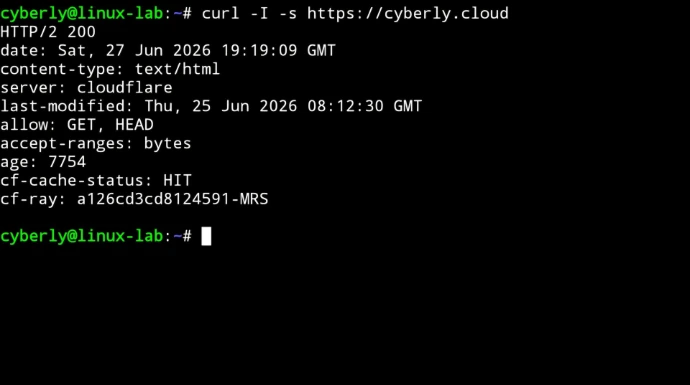
3. Relying on Memory Instead of Documenting Your Learning
Cybersecurity involves managing an overwhelming amount of data, commands, script syntaxes, and methodologies. A massive mistake students make during their cybersecurity courses is assuming they will remember everything.
Professional penetration testers and security analysts survive on documentation. From day one, you must build a personal knowledge base. Use free, markdown-based note-taking tools to document your journey.
🛠️ Recommended Documentation Frameworks:
Obsidian: A powerful, local-first markdown app perfect for building a personal cybersecurity wiki.
Notion: A highly customizable cloud-based workspace to track your course progress and commands.
Write down every network command, exploit step, and configuration fix you encounter. If you didn't document it, you don't know it.

4. Chasing the Wrong Certifications Early On
The certification market in cybersecurity is massive, and it is easy for beginners to get confused about which exam to take. Many students waste thousands of dollars attempting advanced, theoretical certifications that HR managers won't value without hands-on experience.
When looking for the best cybersecurity certifications to start your career, focus on entry-level, practical exams that force you to pass a hands-on challenge to prove you can actually do the work, rather than multiple-choice guessing games.
| Certification | Focus Level | Best For |
| CompTIA Security+ | Theoretical / Foundational | Passing HR filters and learning industry terminology. |
| eJPT (Junior Penetration Tester) | 100% Practical / Hands-on | Proving you can perform network attacks in a real lab. |
5. Studying Without a Structured Roadmap
Cybersecurity is an incredibly vast field that includes digital forensics, penetration testing, cloud security, and risk management. Trying to learn everything at once leads to severe burnout and zero progress.
You cannot study aimlessly. To effectively learn cybersecurity for beginners, you need a hyper-focused path tailored to a specific job role.
If you are feeling overwhelmed and don't know where to direct your focus next, read our step-by-step breakdown: The Ultimate Cybersecurity Roadmap: What to Learn First to align your training with your ultimate career goals.