
Breaking into the cybersecurity field can feel overwhelming. With countless certifications, programming languages, and tools available, most beginners make the mistake of jumping straight into hacking tutorials without a solid foundation. This leads to confusion and burnout.
To build a successful career in information security, you need a structured, step-by-step approach. This ultimate cybersecurity roadmap outlines exactly what you need to learn first, moving from basic IT concepts to advanced practical training.
The Cybersecurity Learning Timeline
Before diving into the steps, it is important to manage your expectations. Don't rush the process. Focus on one skill at a time and practice consistently. Even 30–60 minutes a day can make a huge difference over time. Here is an estimated timeline to guide your journey:
| Roadmap Stage | Estimated Time | Focus Areas |
| Stage 1: IT Fundamentals | 4–6 weeks | Networks, OSI Model, Windows/Linux OS basics |
| Stage 2: Linux & Python | 6–8 weeks | Command line, core bash, automation scripting, python basics |
| Stage 3: Virtual Lab Setup | 1 week | Hypervisors, network isolation, building targets |
| Stage 4: Practice Platforms | Ongoing | TryHackMe, Hack The Box, real-world rooms |
Step 1: Master IT Fundamentals & Networking
You cannot protect a system you do not understand. Before touching any hacking tool, you must master how computers, operating systems, and networks communicate. Skipping this step is the primary reason many aspiring professionals fail to advance.
Key Focus Areas:
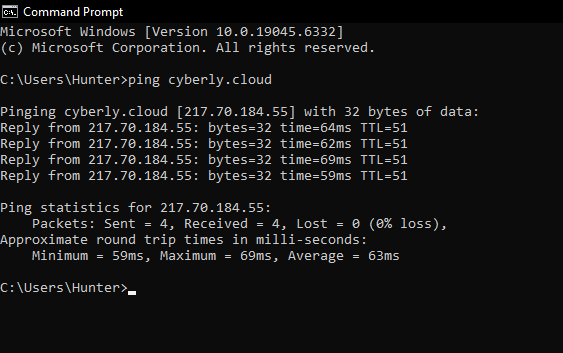
Networking Concepts: Understand the OSI Model, TCP/IP protocol suite, subnetting, DNS, and DHCP. You must know how data packets travel across a network.
Operating Systems: Learn the core architectures of both Windows and Linux, including user privileges, file systems, and command-line interfaces.
Core Security Concepts: Familiarize yourself with the CIA Triad (Confidentiality, Integrity, Availability), hashing, and basic symmetric/asymmetric encryption.
Step 2: Linux Administration & Scripting Essentials
The vast majority of security tools and enterprise servers run on Linux. Relying solely on a graphical user interface (GUI) will limit your capabilities. Additionally, learning to automate repetitive tasks separates basic technicians from advanced security analysts.
Key Focus Areas:
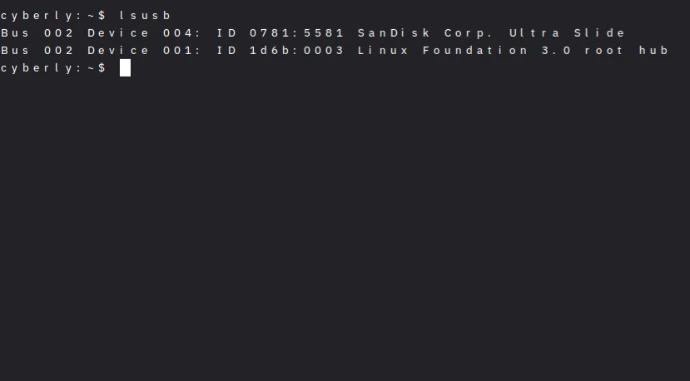
Linux Command Line: Master file manipulation, permissions management (chmod/chown), package management, and system monitoring commands.
Introduction to Python: Python is the industry standard for cybersecurity. Focus on writing basic scripts to automate log analysis, parse data, or scan network ports.
Bash Scripting: Learn how to chain Linux commands together in basic scripts to automate system auditing.
Step 3: Build a Practical Virtual Hacking Lab
Theory alone will not get you a job in cybersecurity. You need a safe, isolated environment where you can practice penetration testing techniques, execute malware samples, and configure firewalls without risking your host machine or breaking the law.
Using virtualization software allows you to run multiple operating systems simultaneously on a single physical machine.
Hands-on Practice: To set up your environment safely without risking your main system, follow our detailed guide on How to Build Your First Hacking Lab Using VirtualBox 7.2.8 and learn How to Safely Isolate VirtualBox VM from the Host.
Step 4: Leverage Practical Practice Platforms
Once your laboratory environment is secure, it is time to apply your skills to real-world scenarios. Interactive training platforms provide legal, gamified labs that simulate real enterprise networks, vulnerable web applications, and cryptographic challenges.
Ready to get hands-on right away? Check out our curated list of the Top 5 Free TryHackMe Rooms Every Absolute Beginner Must Complete to start cracking your first flags safely inside your browser.
Consistency is key. Dedicate time each week to solving hands-on challenges, analyzing network traffic, and understanding the root cause of software vulnerabilities.
📚 Recommended Resources: Ready to start structured learning right now? Check out our curated list of the Best Free Cybersecurity Courses for Beginners (2026) to grab the best free training tracks available online.
Where to Go Next? Choosing Your Cybersecurity Specialization
Once you finish this foundational roadmap, the field opens up into specialized career paths. Depending on what you enjoy most, you can pivot into one of these core areas:
Penetration Testing (Ethical Hacking): Finding and fixing security vulnerabilities before malicious hackers exploit them.
SOC Analyst (Blue Teaming): Monitoring network traffic, detecting ongoing cyber attacks, and responding to incidents in real-time.
Cloud Security: Securing enterprise infrastructure hosted on modern cloud environments like AWS, Azure, or Google Cloud.
Digital Forensics & Incident Response (DFIR): Investigating cybercrimes, analyzing malware, and recovering data after a security breach.
Application Security (AppSec): Auditing software code to ensure applications are built securely from scratch.
Threat Intelligence: Analyzing global cyber threats and predicting the next moves of advanced hacking groups.
Frequently Asked Questions (FAQ)
Do I need a degree to learn cybersecurity?
No. While a degree in Computer Science or Cyber Security can help, the industry heavily prioritizes hands-on skills, practical certifications, and home-lab experience over formal degrees.
How long does it take to learn cybersecurity?
For a complete beginner, it typically takes 6 to 12 months of consistent daily study to grasp the fundamentals and build enough practical skills to land an entry-level position.
Should I learn Python before cybersecurity?
Learning basic Python programming alongside your IT and network fundamentals is highly recommended. You don't need to be a software developer, but you must be able to read and modify basic automation scripts.